
PROMINENT PRESENT AND PAST PAN-AFRICAN LEADERS AND THEIR LEGACIES
Here are concise profiles of prominent present and past Pan-African leaders from 1950 till 2025, highlighting their achievements and impacts.
Kwame Nkrumah (1909–1972)
Country: Ghana
Tenure: 1957–1966
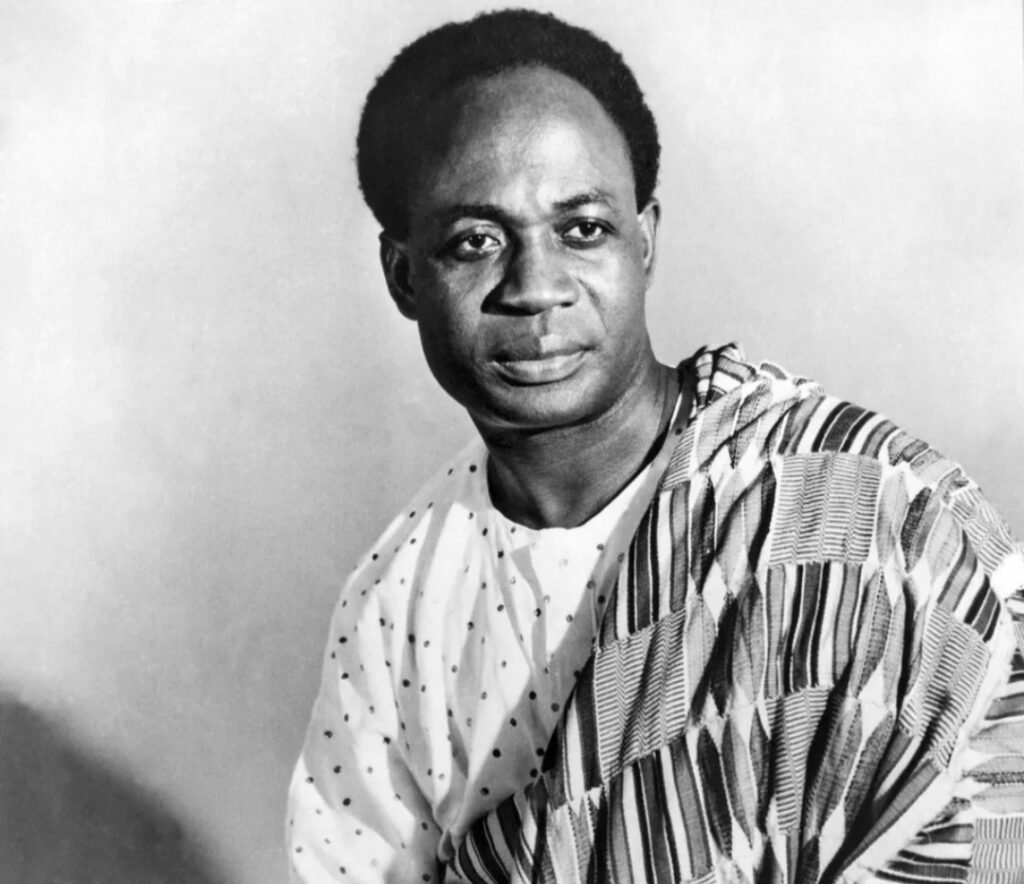
Achievements:
Led Ghana to independence in 1957, becoming the first sub-Saharan African nation to break free from colonial rule .
Founded the Organization of African Unity (OAU) in 1963 to promote continental unity and decolonization .
Implemented socialist policies, including industrialization, free education, and healthcare expansion .
Impact on Africa:
Inspired liberation movements across the continent with his slogan, *”Africa Must Unite!”.
Advocated for a United States of Africa, influencing later pan-African institutions like the African Union .
Impact on Ghana:
Transformed Ghana into a model of post-colonial progress but faced criticism for authoritarianism and economic mismanagement .
Impact on Population:
Boosted literacy and national pride, though austerity measures later sparked discontent .
Patrice Lumumba (1925–1961)
Country: Democratic Republic of the Congo (DRC)
Tenure: June–September 1960
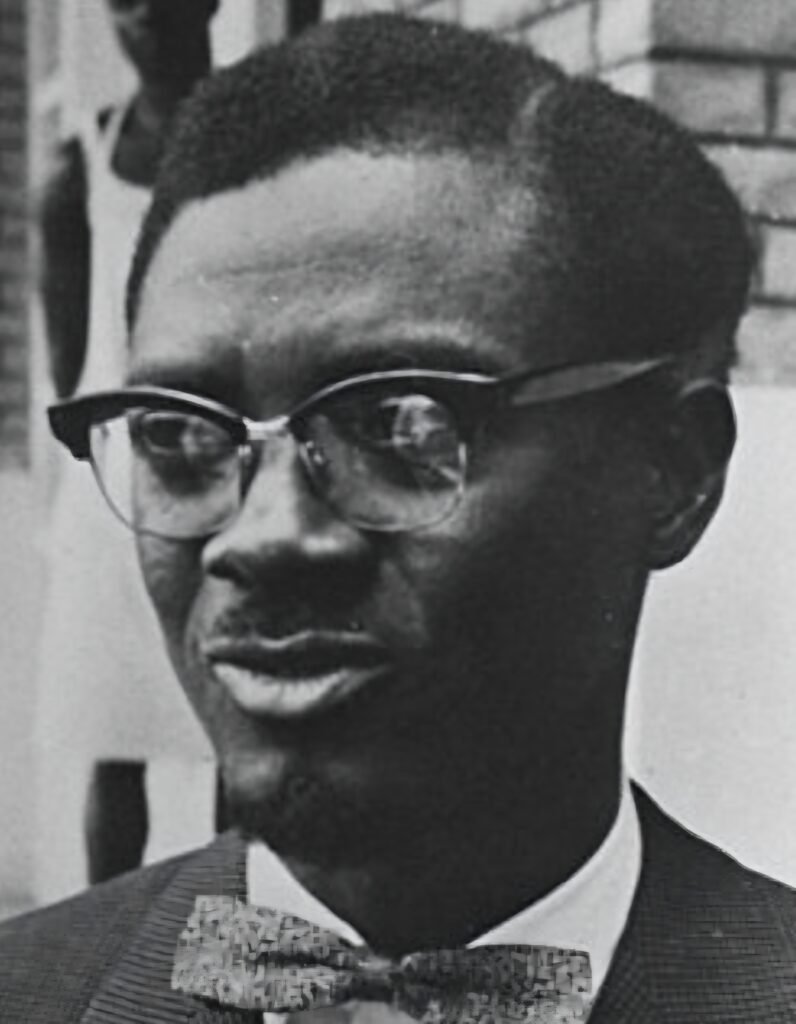
Achievements:
Became the DRC’s first democratically elected Prime Minister, advocating for national unity and anti-colonialism .
Challenged Belgian exploitation and Katanga’s secession, seeking Soviet aid to stabilize the country .
Impact on Africa:
Symbolized resistance to neo-colonialism; his assassination (1961) exposed Cold War interference in Africa .
Impact on DRC:
His death led to decades of instability, including Mobutu’s dictatorship and ongoing conflicts .
Impact on Population:
Inspired Congolese nationalism, though his brief rule left unresolved ethnic and political tensions .
Thomas Sankara (1949–1987)
Country: Burkina Faso
Tenure: 1983–1987
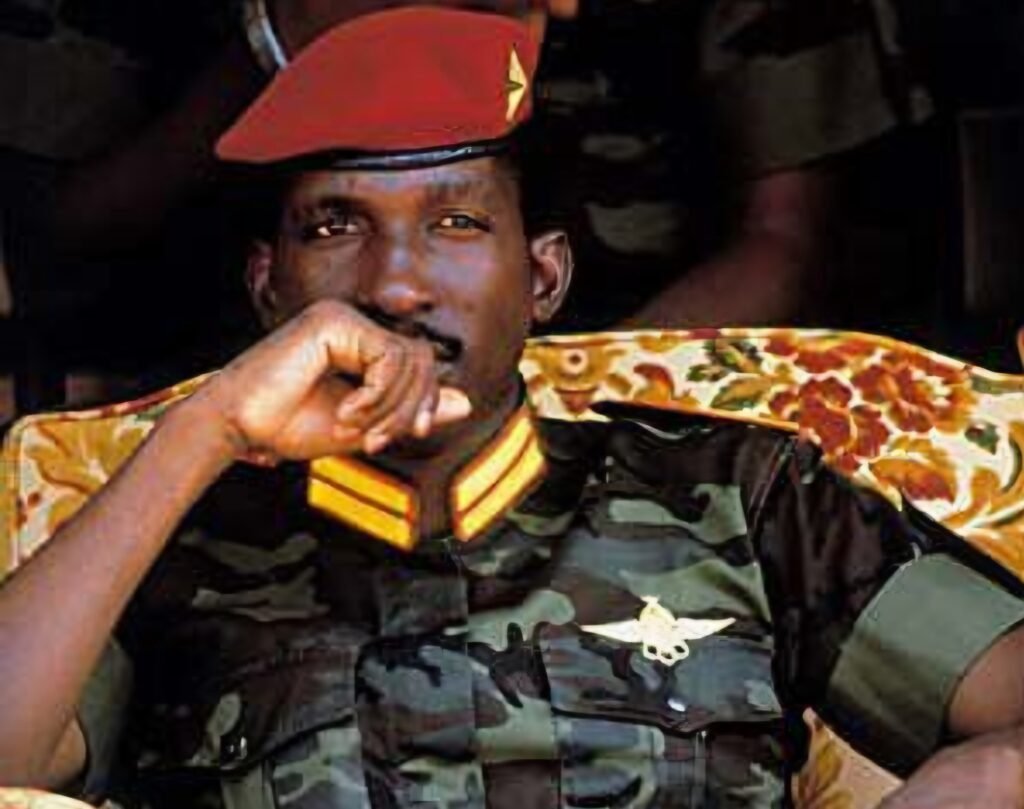
Achievements:
Renamed Upper Volta to Burkina Faso (“Land of Upright People”) and launched radical reforms:
Vaccinated 2.5 million children, planted 10 million trees, and elevated women’s rights .
Rejected foreign aid, redistributed land to peasants, and reduced government corruption .
Impact on Africa:
Championed anti-imperialism and debt cancellation, inspiring movements for economic sovereignty.
Impact on Burkina Faso:
Achieved food self-sufficiency and literacy leaps (13% to 73%) but faced opposition for authoritarian methods .
Impact on Population:
Empowered rural communities and women but alienated elites, leading to his 1987 assassination .
Julius Nyerere (1922–1999)
Country: Tanzania
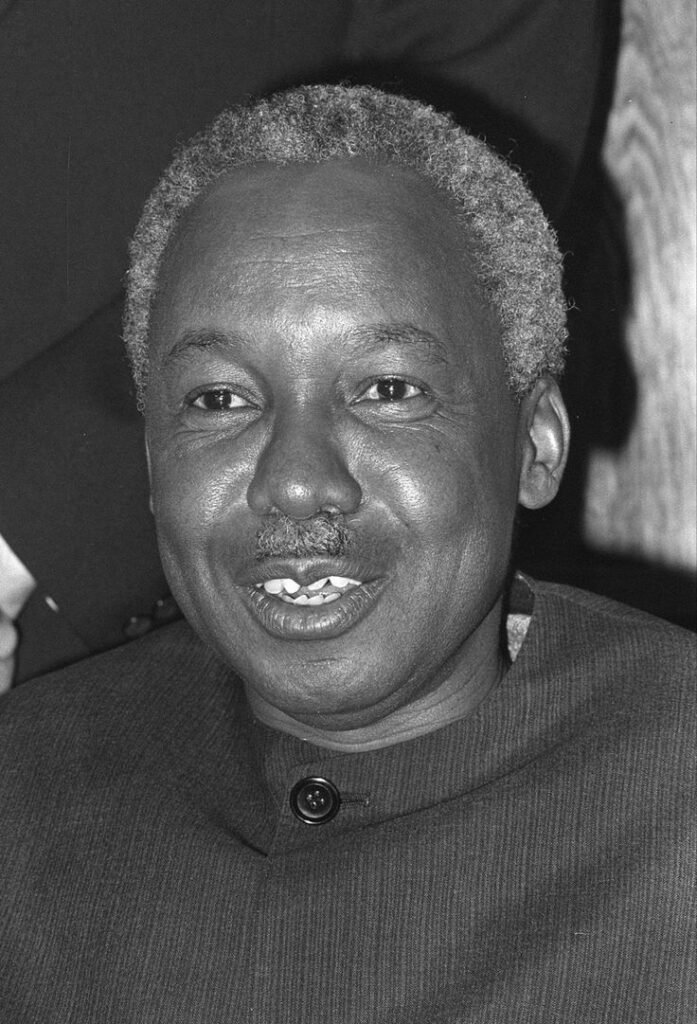
Achievements:
Unified Tanganyika and Zanzibar into Tanzania (1964).
Promoted Ujamaa (African socialism) and universal education.
Impact on Africa:
Championed non-alignment and continental solidarity.
Impact on Tanzania:
High literacy but economic stagnation.
Impact on Population:
Unified diverse groups but struggled with poverty.
Nelson Mandela (1918–2013)
Country: South Africa
Tenure: 1994–1999

Achievements:
Ended apartheid through non-violent resistance and negotiated transition to democracy .
Established the Truth and Reconciliation Commission to heal post-apartheid divisions .
Impact on Africa:
Became a global symbol of peace and reconciliation, bolstering democratic movements continent-wide .
Impact on South Africa:
Stabilized a fractured nation but struggled with enduring inequality and economic disparities .
Impact on Population:
Unified racially divided communities, though post-apartheid challenges like poverty persisted.
Haile Selassie I (1892–1975)
Country: Ethiopia
Tenure: 1930–1974
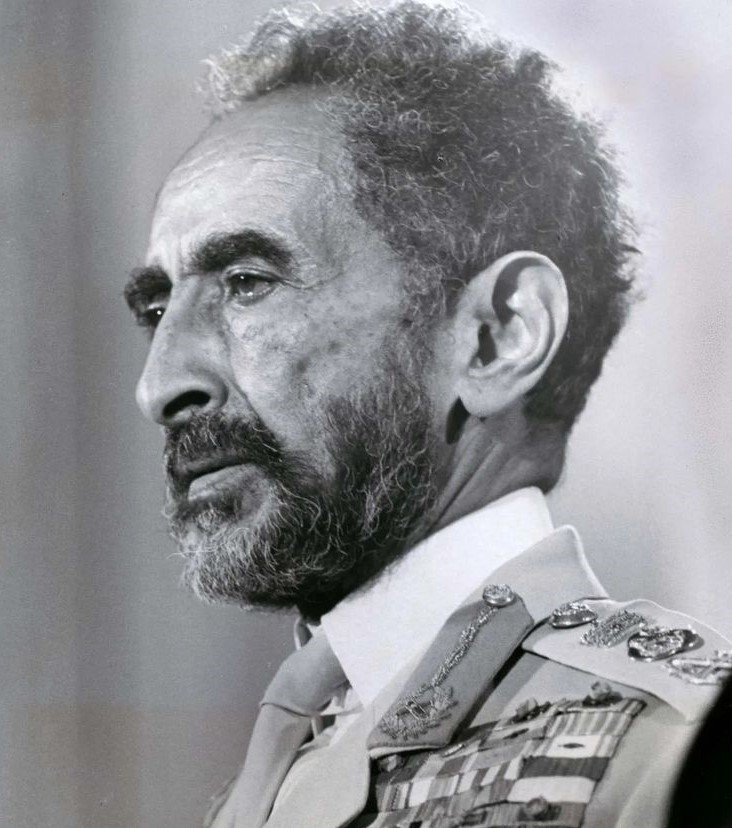
Achievements:
Modernized Ethiopia, introduced a constitution, and resisted Italian invasion during WWII .
Co-founded the OAU in 1963, making Addis Ababa its headquarters .
Impact on Africa:
Elevated Ethiopia as a symbol of African independence; revered by Rastafarians as a messianic figure .
Impact on Ethiopia:
Mixed legacy: infrastructure development vs. autocratic rule and feudal inequalities .
Impact on Population:
Famine and discontent led to his 1974 overthrow; later murdered by the Derg regime
Muammar Gaddafi (1942–2011)
Country: Libya
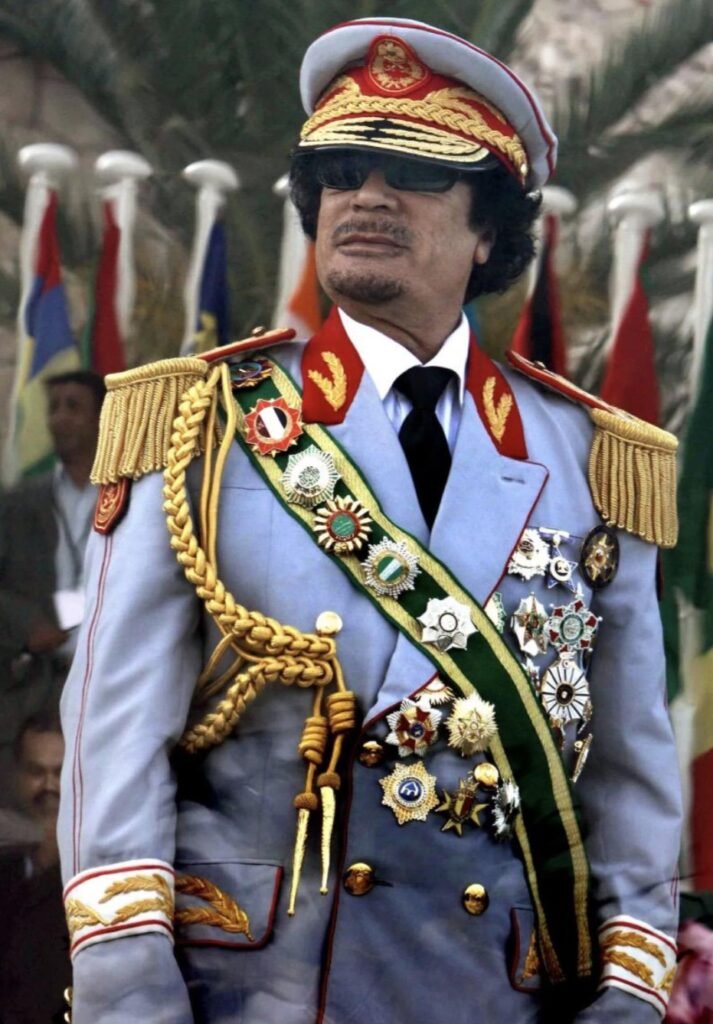
Achievements:
Funded pan-African initiatives; proposed a “United States of Africa.”
Created the African Investment Bank and gold-backed currency (Dinar).
Impact on Africa:
Pushed for continental integration; controversial for authoritarianism.
Impact on Libya:
Improved living standards but suppressed dissent.
Impact on Population:
Polarizing figure; killed in 2011 NATO-backed uprising.
Ellen Johnson Sirleaf (b. 1938)
Country: Liberia
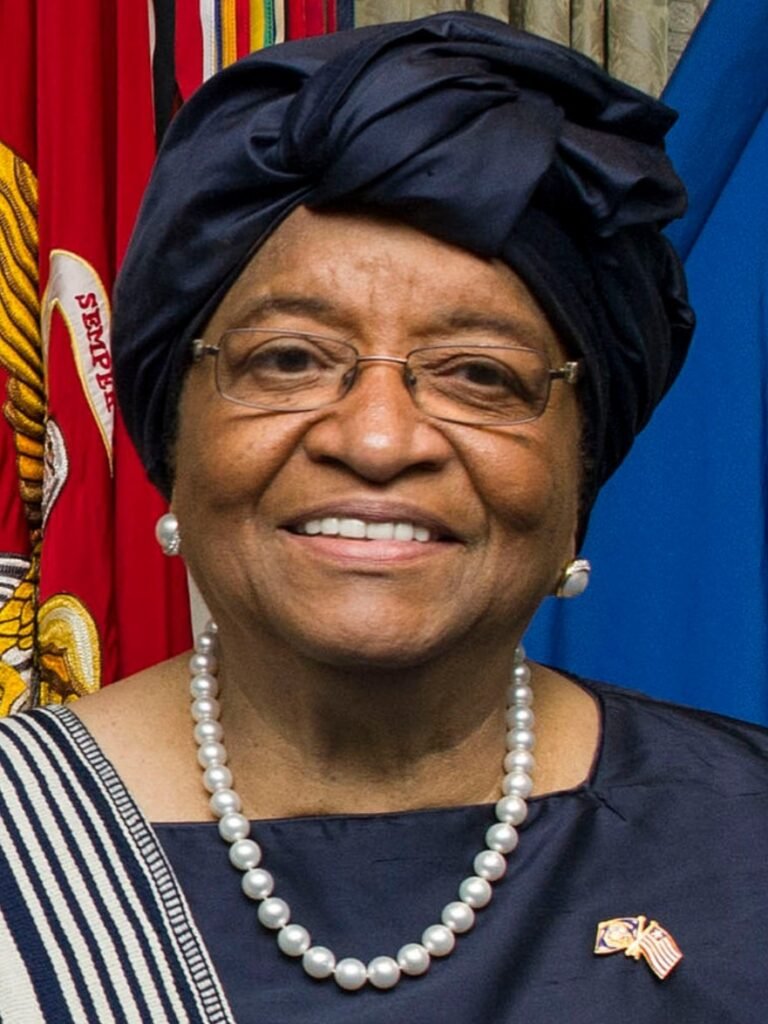
Achievements:
Africa’s first elected female president (2006–2018); Nobel Peace laureate.
Rebuilt post-civil war Liberia; promoted women’s leadership.
Impact on Africa:
Symbolized gender equality and post-conflict recovery.
Impact on Liberia:
Stabilized economy but faced corruption allegations.
Impact on Population:
Inspired women but left systemic poverty unresolved.
W.E.B. Du Bois (1868–1963)
Role: Intellectual Leader
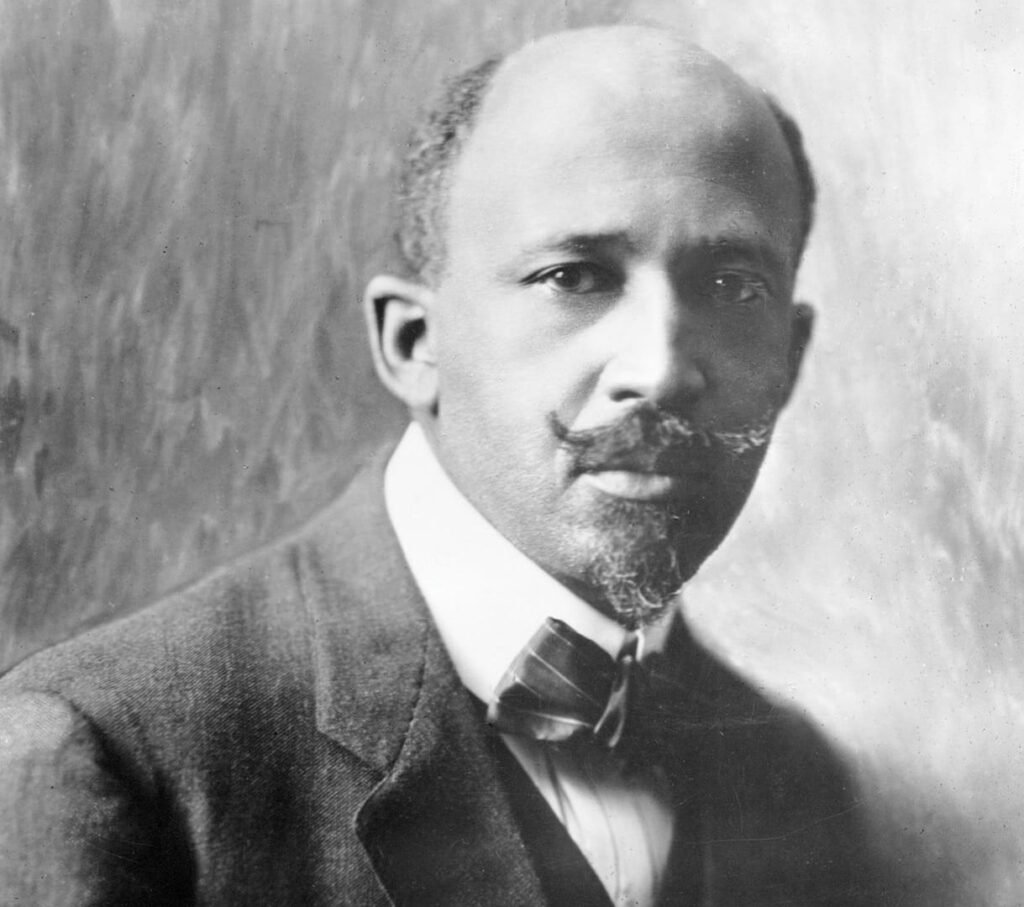
Achievements:
Organized Pan-African Congresses (1919–1945); mentored Nkrumah.
Advocated global Black solidarity and decolonization.
Impact on Africa:
Ideological foundation for post-colonial states.
Legacy:
Inspired leaders like Mandela and Sankara.
Each leader’s story reflects their unique contributions to Pan-Africanism, nation-building, and societal transformation. These leaders were for Anti-colonialism, economic sovereignty, unity.

About Us
Antonius Wilhelm Amo Afer Family Foundation (Awaaff) was officially established on 14 September 2023 after receiving a Certificate of Incorporation from the Registrar of Companies.
- 0274841543 / 0502433016 /0546672691
- awaaff2024gmail.com
- Akonu, Axim
